The Ultimate Guide to Choosing the Best Cat Litter Brands
A blog about the different types of cat litter that I recommend from Amazon.
Paulette Marie Matheson
3/16/20264 min read


If you're a feline parent, you know these gorgeous, fluffy cats deserve the very best—including the right litter. With their long, silky coats and gentle personalities, cats have specific needs when it comes to litter boxes. The wrong litter can lead to tracking throughout your home, dust settling in their beautiful fur, or even litter box avoidance.
After researching and testing various options, I've put together this comprehensive guide to help you find the perfect litter for your feline companion.
Why Litter Choice Matters for our Precious Kitty's
Cats (especially long haired like Ragdolls) have long, plush coats that easily trap litter particles, leading to more tracking than short-haired breeds. They're also known for being particular about cleanliness and texture. Choosing a low-dust, low-tracking litter isn't just about convenience—it's about your cat's comfort and health.
Types of Cat Litter: What Works Best?
1. Clumping Clay Litter
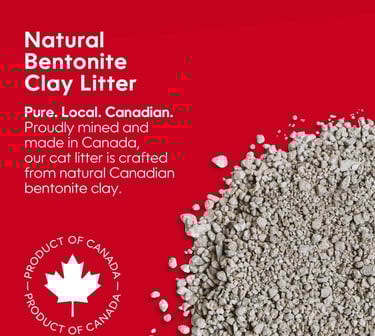
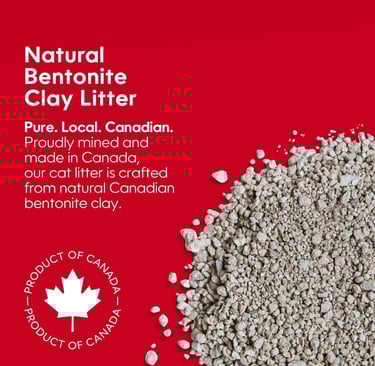
What it is: Traditional clay litter made from bentonite that forms solid clumps when wet, making scooping easy.
Benefits:
Excellent odor control
Easy to scoop and maintain
Widely available and affordable
Familiar texture most cats accept
Cost: $
Drawbacks:
Can be dusty (problematic for Ragdoll coats)
Tracks easily, especially with long fur
Heavy to carry
Not environmentally friendly
Best for: Budget-conscious owners who don't mind frequent vacuuming and want reliable odor control.
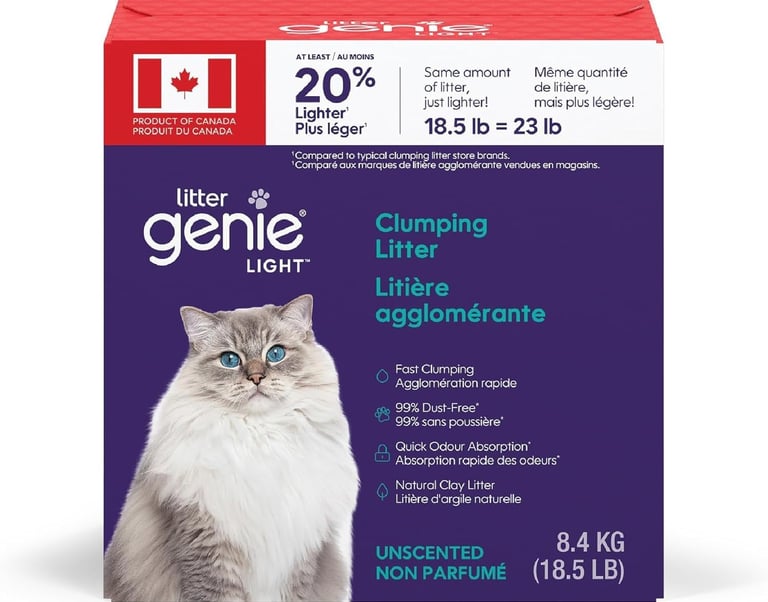
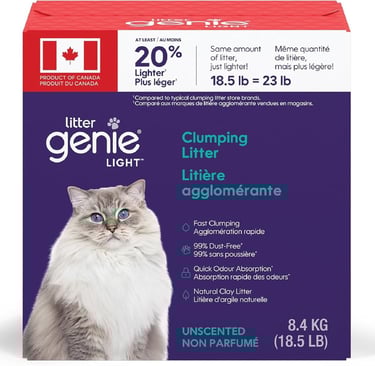
Our Recommendation: "Litter Genie Light" - This fast clumping, 99% dust free, quick odor absorption formula, and natural clay litter keeps their coats pristine.
Litter Genie Light - https://amzn.to/40Aj7W8 - Get your's today at Amazon Click Here!
2. Silica Gel (Crystal) Litter
What it is: Made from silica gel beads that absorb moisture and control odor without clumping.
Benefits:
Excellent odor control
Virtually dust-free (perfect for Ragdoll coats!)
Low tracking due to larger crystal size
Lasts longer than clay—change less frequently
Lightweight
Drawbacks:
More expensive upfront
Silica Gel: $$
Some cats dislike the texture or sound
Requires stirring daily
Not flushable or compostable
Best for: Cat owners prioritizing minimal dust and tracking, willing to invest more for convenience.
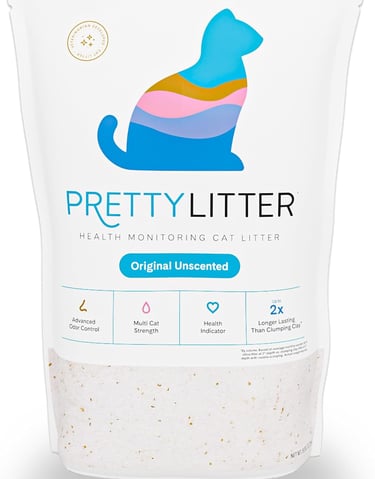
Our Top Pick:
Get Your Pretty Kitty Litter today through Amazon: https://amzn.to/4utxIQK
3. Natural/Biodegradable Litter (Corn, Wheat, Pine, Walnut)
What it is: Plant-based litters made from renewable materials like corn, wheat, pine pellets, or walnut shells.
Benefits:
Eco-friendly and biodegradable
Often flushable (check local regulations)
Naturally low dust
Pleasant, natural scents
Lightweight
Natural/Biodegradable: $$
Drawbacks:
Variable odor control (some work better than others)
Can track, depending on the formula
May attract bugs if not stored properly
Some cats need time to adjust to the texture
Best for: Environmentally conscious Ragdoll owners looking for sustainable options with decent performance.
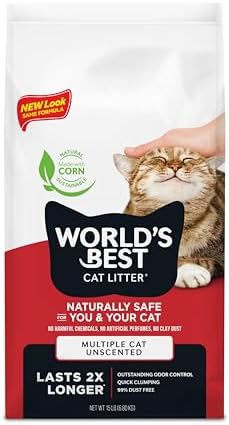
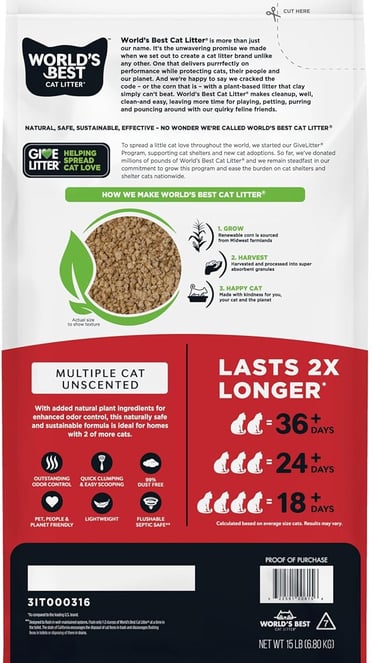
Our Recommendation:
Get Your "Worlds Best Cat Litter" today through Amazon: https://amzn.to/4bpZy82
4. Paper-Based Litter
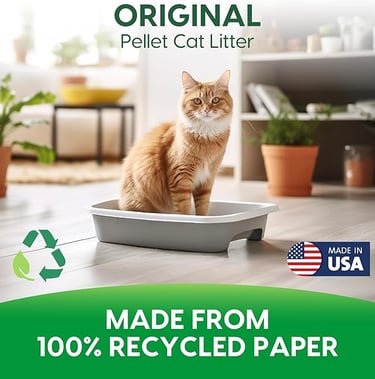
What it is: Recycled paper formed into pellets or granules, highly absorbent and soft.
Benefits:
Completely dust-free
Very soft on paws
Excellent for cats recovering from surgery
Eco-friendly
Lightweight
Paper: $$
Drawbacks:
Weaker odor control
Doesn't clump (most varieties)
Requires more frequent complete changes
Can track if pellets are small
Best for: Ragdolls with sensitive paws or those recovering from declawing or surgery.
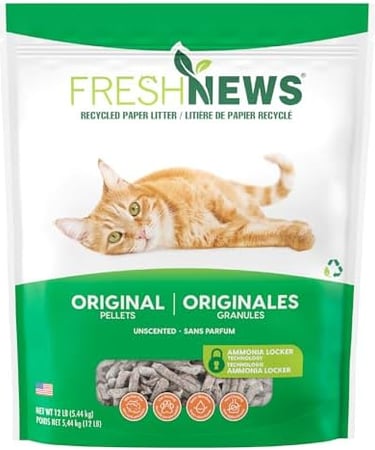
Our Recommendation:
Get your "Fresh News Catlitter" through Amazon today - https://amzn.to/3NDtbL7
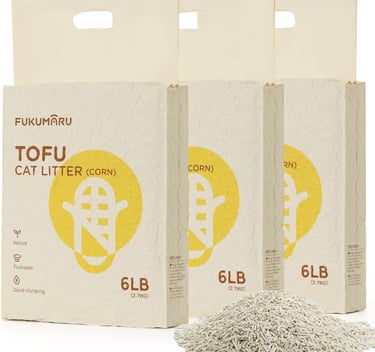
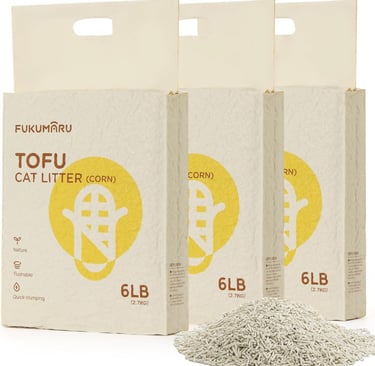
5. Tofu Litter
What it is: A newer option made from soybean pulp, forming clumps and offering natural odor control.
Benefits:
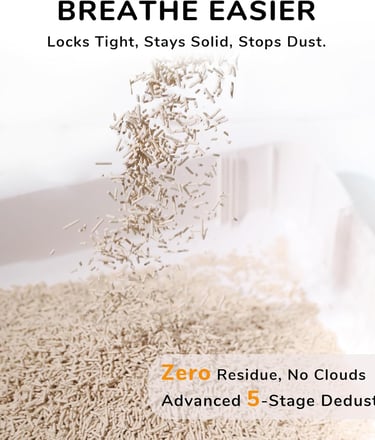
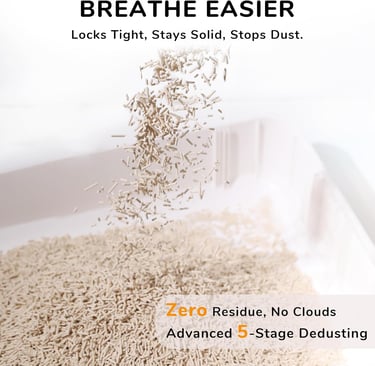
Low dust and tracking
Flushable and biodegradable
Lightweight
Natural odor control
Soft texture
Drawbacks:
More expensive
Tofu: $$$
Less widely available
Some cats may try to eat it initially
Best for: Ragdoll owners wanting an eco-friendly option with excellent low-tracking performance.
Our Recommendation:
Get your "Tofu Cat litter" today through: https://amzn.to/4biXKO0
Tips for Ragdoll Litter Success
Litter Box Placement: Place boxes in quiet, accessible areas away from food and water. Ragdolls appreciate privacy but need easy access.
How Much Litter: Use 2-3 inches of litter. Too much can increase tracking; too little reduces odor control.
Transitioning Litters: Mix 25% new litter with 75% old, gradually increasing the ratio over 7-10 days to avoid litter box avoidance.
Cleaning Frequency: Scoop daily and do a complete change every 2-4 weeks, depending on the litter type. Ragdolls are fastidious and prefer clean boxes.
Litter Mats: Invest in a good litter mat to catch particles before they spread. This is especially important with long-haired breeds.
Best Cat litter mat to reduce tracking for Ragdoll cats https://amzn.to/46Xwm6U
Regular Grooming: Trim the fur around your Ragdoll's paws and rear end to minimize litter clinging to their coat.
Final Thoughts
The best litter for your Ragdoll depends on your priorities—whether that's minimal dust, low tracking, eco-friendliness, or budget. For most Ragdoll owners, I recommend starting with a silica gel or tofu litter for the best balance of low dust and minimal tracking.
Remember, every cat is unique. What works perfectly for one Ragdoll might not suit another. Don't be afraid to experiment with small bags first before committing to bulk purchases.
Your beautiful Ragdoll deserves a clean, comfortable litter box experience—and with the right litter choice, you'll both be happier!
What type of litter works best for your Ragdoll? Share your experiences in the comments below!